


How to think about nutrition for pregnancy and postpartum
When you get pregnant, suddenly there's a whole new rulebook around food. What to eat, what to avoid, what actually matters vs. what's just noise. That's why we're so glad to be talking with Madison Stewart, who not only has an MS in nutrition but is also a mom of two toddlers with a third on the way. She's living these questions in real time, every single day. We're getting into what to actually eat during pregnancy and why, how to handle cravings and aversions, the 80/20 approach to nutrition, and how to take care of yourself while also keeping your kids fed.
Note: Information in this episode is based on personal experiences and is provided for educational and entertainment purposes only. Information in the podcast does not constitute personal professional advice. We encourage you to independently evaluate any content and consult with appropriate professionals as needed for your specific circumstances.
Getting Started with Baby Podcast




A Few Key Quotes on Pregnancy and Postpartum Nutrition
On the nutrients you need:
"Have eggs every morning because you're checking several boxes at once. Vitamin D, iodine through dairy or iodized salt, high protein, high fiber, iron, omega-3s. When you list all those out it sounds overwhelming, but if you're eating your eggs, red meat in moderation, chicken, greens, fish, you're hitting all of them." — Madison Stewart
On feeding yourself as a mom:
"A mom has to recognize that she will be a better mom if she is prioritizing her own nutrition as well. The brain fog, the exhaustion, you can help all of that with nutrition." — Madison Stewart
On baby's resilience during days when aversions and nausea make it impossible to eat:
"Remember that baby is so resilient. Your baby is not dependent on you having a piece of salmon versus that Eggo waffle. So whatever you can get down and keep down, or whatever you're able to eat, is what you have to do." — Madison Stewart
On giving yourself grace:
"Just give yourself grace above anything else, and then maybe pour a little bit of time into understanding what nutrients your body needs and why. When you can answer that, you have so much more power in your nutrition choices." — Madison Stewart
What to Eat Through Pregnancy and Postpartum: Essential Takeaways
- Focus on nutrients, not rules. Rather than following a long list of dos and don'ts, shift your thinking to: what does my body actually need right now? During pregnancy and postpartum, the key nutrients to prioritize are choline (great for baby's brain development and neurotransmitter support), omega-3 fatty acids (crucial for baby's brain and for reducing postpartum inflammation and depression risk), vitamin D, iodine, high-quality protein, fiber, and iron. The good news is that most of these are covered when you eat whole foods: eggs, salmon, red meat in moderation, leafy greens, dairy, and legumes.
- Fish is not the enemy. One of the most common and persistent misconceptions is that pregnant women shouldn't eat fish at all. Salmon, cod, and shrimp are all safe during pregnancy and are among the best sources of omega-3s. The concern is mercury, which is found in high-mercury fish like swordfish and king mackerel. Don't let the blanket "avoid fish" messaging cut you off from one of the most nutrient-dense foods available.
- Don't fall for the protein hype. Protein is genuinely important, especially postpartum when your body is recovering and potentially supporting a milk supply. But you do not need protein Pop-Tarts, protein shakes, or engineered bars to hit your intake. Three whole-food meals a day, built around eggs, chicken, fish, and legumes, will get you there. Quality matters more than quantity.
- The 80/20 approach works. Madison lives by the 80/20 rule: 80% of your diet is whole foods, and the other 20% is the pizza night, the Starbucks drink, the gummy candy run. During pregnancy and early postpartum, she may lean closer to 90/10, but the philosophy stays the same. Having a framework that includes real food as a foundation while leaving room for extras is more sustainable than any strict plan, and it keeps the relationship with food from becoming a source of stress.
- On hard days, prenatals exist for a reason. If you're in the thick of food aversions and can only stomach plain carbs, that's okay. Baby is remarkably resilient, and your prenatal vitamin is there to fill in the gaps. If the one you have is hard to stomach, try a different form, including gummies. Just keep taking something, and know that the season of eating plain crackers for every meal is temporary.
- Soft cheese is probably fine. The rule isn't about soft cheeses specifically; it's about pasteurization. Most cheeses sold in the U.S. are pasteurized, and you can verify quickly by reading the label. Don't stress over Brie at a dinner party. Read the label and move on.
- Blood sugar is the quiet postpartum factor no one talks about enough. When you're sleep-deprived and postpartum, blood sugar becomes unusually sensitive. That leads to craving sweets, which leads to energy crashes, which leads to more cravings. Getting protein and fiber into your meals consistently helps regulate that cycle. Madison's tip: plan for a small sweet treat at a set time in the day rather than white-knuckling it and then eating half a sleeve of cookies at 11pm.
- Prioritize yourself at mealtime, even with toddlers at your feet. It is not selfish to make yourself breakfast before picking up a crying two-year-old. It's modeling a healthy relationship with food, and it keeps you functional enough to take care of everyone else. Have quick-grab whole foods on hand for the days when cooking isn't happening: canned chicken, beef sticks, fruit, cheese, Kodiak cake mix. Costco is your best friend.
- Mealtime can be slow and intentional. For moms who are home during the day, lunch in particular tends to become a rushed afterthought. But it doesn't have to be. Letting kids participate in cooking, even messily, teaches them a skill and lets you slow down. It's one of the few parts of the day where everyone is in the same place, with a shared purpose.
Frequently Asked Questions About Pregnancy and Postpartum Nutrition
What should I eat in the first trimester when nothing sounds good?
Eat whatever you can get down and keep down. The first trimester is survival mode for a lot of women, and that is completely okay. Baby is far more resilient than most people realize. Focus on taking your prenatal vitamin consistently, and if your regular one is hard to stomach, switch to a gummy version. When you're able to tolerate more variety, that's when you can layer in the nutrient-dense foods.
What are the most important nutrients during pregnancy?
The big ones are choline, omega-3 fatty acids, vitamin D, iodine, high-quality protein, fiber, and iron. The good news is that most of these are covered by whole foods you're probably already eating or can easily add: eggs, salmon, red meat in moderation, leafy greens, dairy, and legumes. A solid prenatal vitamin helps fill in the gaps.
What foods should I avoid during pregnancy?
High-mercury fish like swordfish, king mackerel, and tilefish are the main ones to skip. Raw or undercooked meat and eggs, unpasteurized products, and high-caffeine drinks in large quantities are also worth avoiding. The soft cheese rule is more nuanced than most people think: it's about pasteurization, not texture. Most cheeses sold in the U.S. are pasteurized, so check the label rather than avoiding all soft cheese entirely.
Is fish safe to eat while pregnant?
Yes, with some specificity. Low-mercury fish like salmon, cod, and shrimp are safe and are among the most nutritious foods you can eat during pregnancy, especially for omega-3 fatty acids that support baby's brain development. The "don't eat fish" advice is an oversimplification that ends up cutting women off from one of the most beneficial foods available.
How much protein do I actually need during pregnancy and postpartum?
Most women need roughly 70-100 grams of protein per day during pregnancy, and potentially more postpartum if breastfeeding. You don't need engineered protein products to get there. Three whole-food meals a day built around eggs, chicken, fish, and legumes will cover most women's needs. Focus on quality sources first, then supplement only if genuinely needed.
What should I eat postpartum to support milk supply?
Hydration and protein are the two biggest factors. Getting enough water throughout the day and consistently hitting your protein through whole foods like eggs, chicken, and legumes supports both recovery and milk production. Omega-3s also matter postpartum: they help reduce inflammation and are associated with lower risk of postpartum depression.
Can what I eat affect my risk of postpartum depression?
Nutrition alone won't prevent or treat postpartum depression, but it does play a meaningful supporting role. Omega-3 fatty acids and choline both support neurotransmitter production, which affects mood. Blood sugar regulation is also a quiet factor: sleep deprivation makes blood sugar more sensitive, and eating enough protein and fiber helps keep that stable, which in turn supports mood and energy.
What is the 80/20 rule for nutrition?
It's a simple framework: 80% of your diet comes from whole foods, and 20% is everything else, the pizza night, the Starbucks order, the sweet treat at the end of the day. It's flexible by design, which is what makes it sustainable through pregnancy, postpartum, and the chaos of early parenting. Some days you'll be closer to 90/10, some days further. That's the point.
How do I actually eat well when I'm exhausted and taking care of kids?
Keep it simple and keep quick options stocked. Think canned chicken, hard-boiled eggs, beef sticks, fruit, cheese, and crackers. For meals, find two or three easy rotations you and your kids can eat together and lean on those. Costco and Sam's Club are worth leaning on heavily for quality grab-and-go options. And give yourself permission to make your own breakfast before picking up a crying toddler. That's not selfish; that's keeping yourself functional.
What's the difference between pregnancy nutrition and postpartum nutrition?
During pregnancy, the focus is on fueling baby's development, particularly brain development, through nutrients like choline and omega-3s, while managing whatever your body will actually tolerate. Postpartum, the focus shifts to recovery and replenishment. If you're breastfeeding, protein and hydration become especially important for milk supply. In both phases, whole foods are the foundation, and the goal is building habits that are sustainable, not perfect.
Madison's Quick Whole Food Picks
Credit: Target
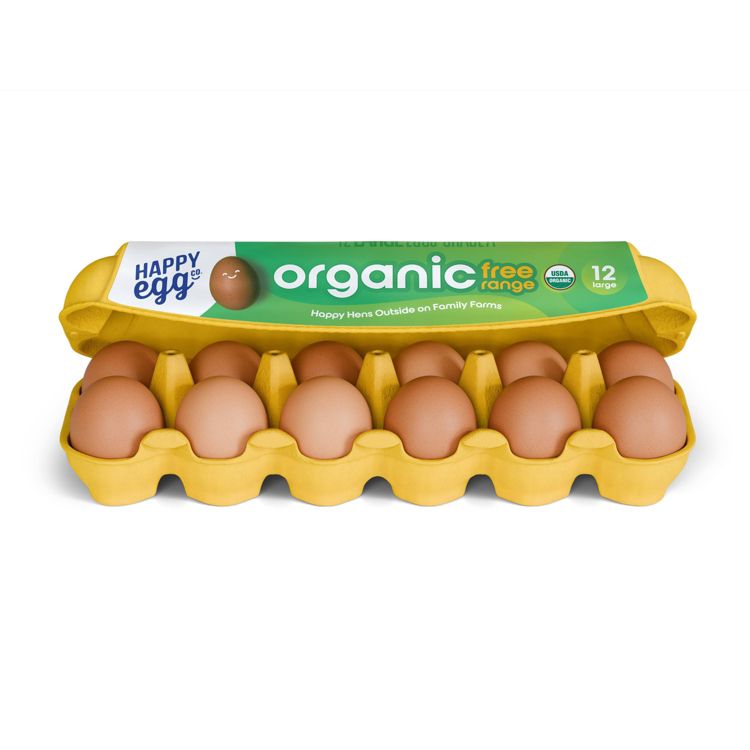
Eggs
Madison's daily non-negotiable. Two or three every morning with sourdough. Eggs hit multiple nutrient boxes at once: choline, protein, vitamin D, and healthy fat. If there's one food to build a pregnancy and postpartum diet around, this is it.
Credit: Target
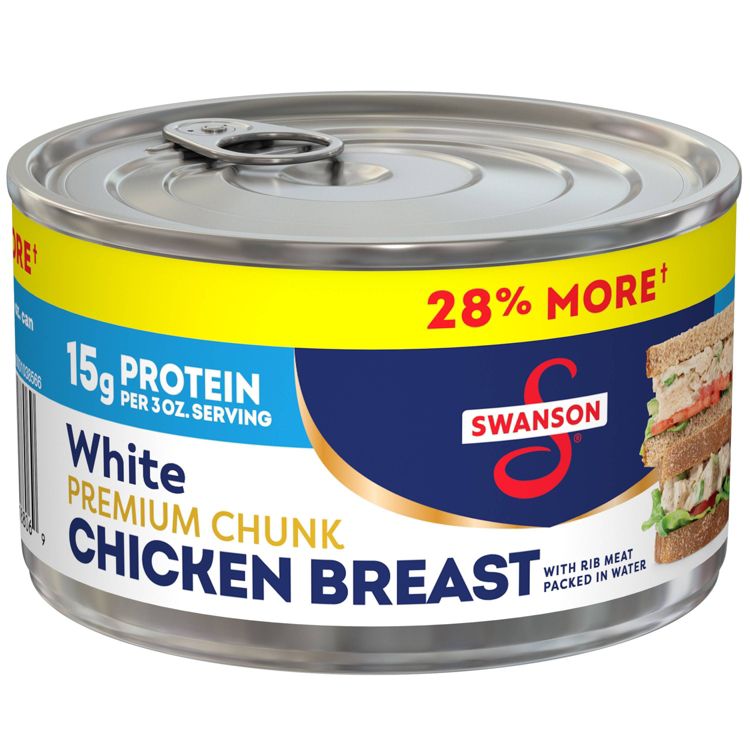
Canned Chicken
A postpartum staple that requires zero cooking. Toss it with a little mayo, seasoning, and whatever you have on hand for a fast chicken salad on rice cakes or crackers. High protein, shelf-stable, and ready in under two minutes.

Credit: Amazon
Grass-Fed Polish Sausages
Madison's quick lunch go-to. Higher in omega-3 fatty acids than conventional sausage, and essentially ready to eat. She describes it as a better adult hot dog, and it's become a regular rotation for her whole family.

Credit: Jocko Fuel
Jocko Protein Shake
Her pick if you're going to do a protein shake, because not all protein shakes are created equal. Grass-fed, cleaner ingredient list than most. She blended hers over ice with banana and peanut butter during her second postpartum period and looked forward to it every single day.
Credit: Target
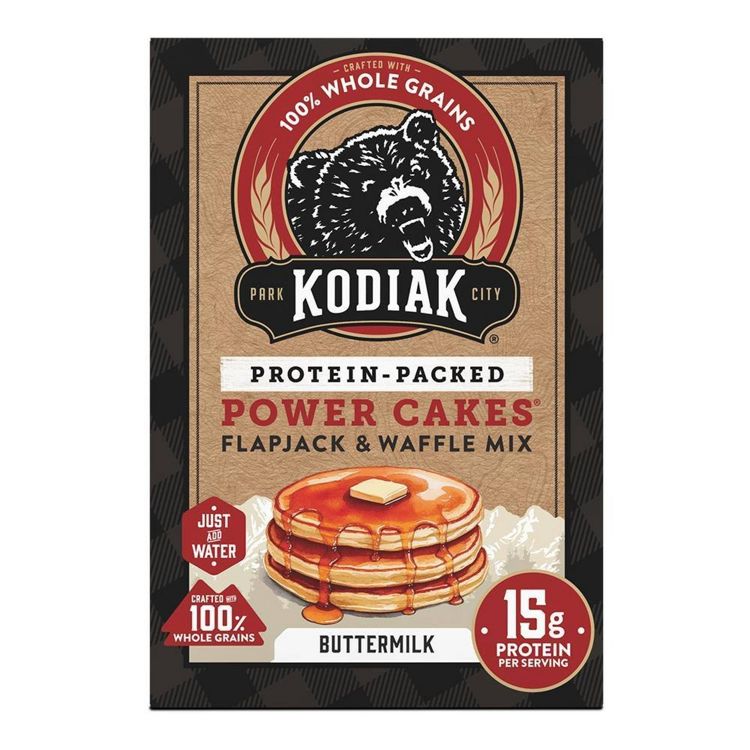
Kodiak Cakes
Quick to make, higher in protein than standard pancake mix, and kid-friendly. A solid option for mornings when you want something warm and filling without a lot of effort.
Credit: Costco
Costco Chicken Melts
Her early postpartum grab when she needed something fast and couldn't put a real meal together for a couple of hours. Ten grams of protein, done in minutes. Not a complete meal, but a solid bridge.
Madison's Baby Gear Picks
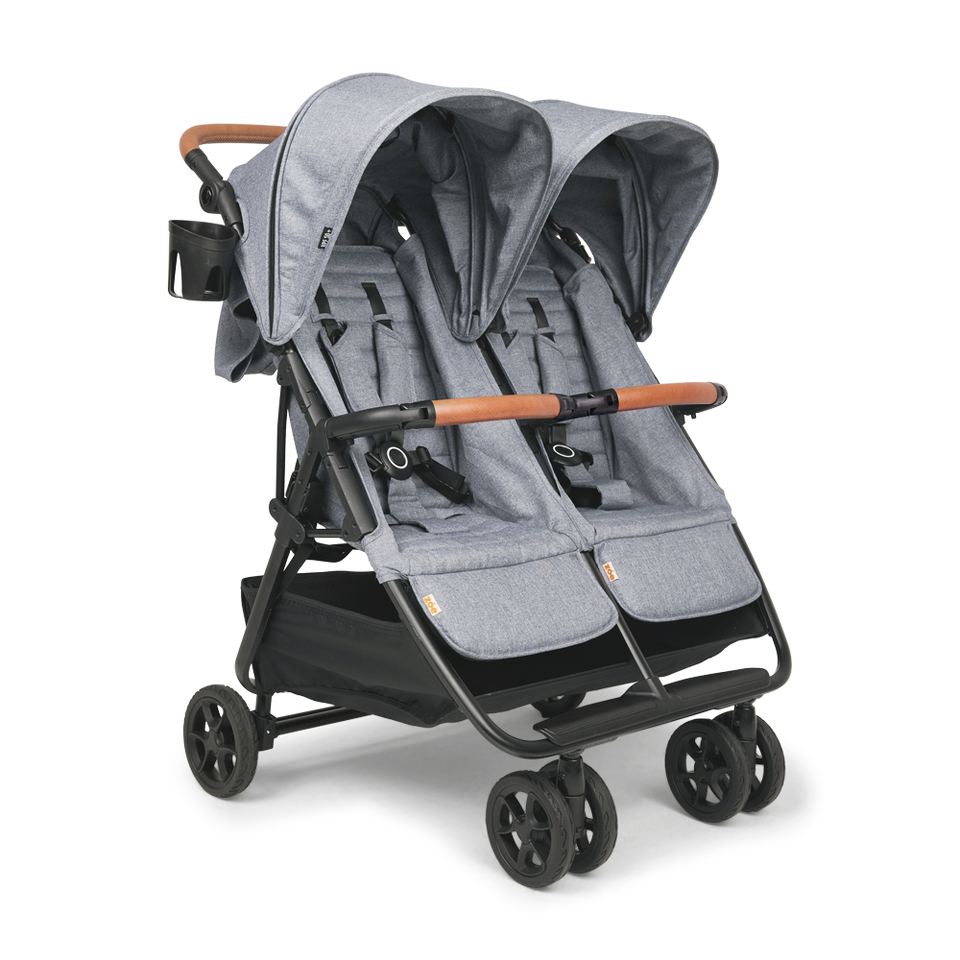
Credit: Zoe Baby
Zoe Stroller (Side-by-Side Double)
Walking has been Madison's mental health anchor as a mom, and she credits a good stroller as the gear decision that made it possible. For parents with two kids close in age, the side-by-side Zoe is her top pick.

Credit: Amazon
Solly Baby Wrap
For the newborn stage specifically, Madison swears by the Solly wrap. Baby is held securely against your chest, head supported, and your hands stay free. She describes it as giving her real freedom in those early weeks, something she'd repurchase every time.

Credit: Amazon
Manual Breast Pump
Highly personal depending on your supply situation, but for moms who don't need to build a large freezer stash, a manual pump is a low-fuss option for relief. No machine setup, no flanges to adjust, and easy to toss in a bag. Madison used hers everywhere, including at a baseball game.
Full Interview: A Nutritionist Mom of Three on Eating Well Through Pregnancy and Beyond
[Edited from audio transcript for clarity]
Madison's Background
Jane Dashevsky: When you get pregnant, there are all these new rules about food to think about, stuff you should avoid, stuff you should have. And it can be a lot to figure out. That's why we're so glad to be talking today with Madison Stewart. Not only does she have a master's in nutrition, but she's a mom of two toddlers with a baby on the way right now, so she's living the questions you probably have every day. Welcome to the podcast, Madison.
Madison Stewart: Thank you so much.
Jane: Can you tell us a little bit about yourself and your family?
Madison: My oldest just turned three a couple of weeks ago, which feels so old. My youngest is turning two in a couple of months. They're 14 months apart, and we're expecting baby number three in June.
Jane: Congratulations. That is a busy, full house.
Madison: Full on, for sure.
Jane: You have a master's in nutrition, you share content about it on Instagram, and I know it's one of your favorite topics. How did you get into that?
Madison: I loved making myself healthy meals at such a young age, and I heard about nutrition through a friend's older sister. I was in seventh grade and never looked at anything else since.
Jane: It's amazing to have that certainty from such a young age. In this day and age, what counts as healthy can get so skewed. How are you thinking about it, especially right now while you're pregnant?
Madison: You're totally right. You can scroll and find completely conflicting information where both things seem to make sense. When I'm pregnant and postpartum, I feel like I get a little more robotic, which is probably the best word for it. I'm literally just thinking, what are the nutrients I know my body needs? It becomes almost a mental tick box: have I hit this, this, and this today? But I understand it can be so hard and confusing to figure out what you're supposed to eat, how to get your protein in, all of those things.
The Protein Hype Problem
Jane: Can we talk about protein for a minute? It has just exploded as a topic.
Madison: So many people think they need supplemental protein, and so much of that is causing inflammation. You can easily get protein through three solid whole-food meals. But we're all convinced we need the protein Pop-Tarts and the protein shakes and the protein bars. It's especially important for postpartum moms, but you also want quality. It is really tricky when you're told you can have a protein Pop-Tart. Have some cottage cheese. Have some chicken.
Jane: So you are not pro protein Pop-Tart?
Madison: I am not picking up a protein Pop-Tart. Our ancestors would be like, that's not food.
What to Actually Eat: Key Nutrients During Pregnancy and Postpartum
Jane: So when you're pregnant, you're thinking about hitting specific nutrients. What does that actually look like?
Madison: My thesis work was in postpartum nutrition, and it's been so interesting. Postpartum depression and anxiety are heavily affected by so many factors, and I would never want to diminish postpartum depression, but getting the right nutrients can genuinely reduce risk. Choline is a big one during pregnancy and postpartum. Eggs are one of the best sources, and if you can stomach them during pregnancy, have eggs every morning because you're checking several boxes at once. Vitamin D, iodine through dairy or iodized salt, high protein, high fiber, iron, omega-3s. When you list all those out it sounds overwhelming, but if you're eating your eggs, red meat in moderation, chicken, greens, fish, you're hitting all of them. Stick around the edge of the grocery aisles, which is the oversimplification everyone's heard, and it's actually pretty accurate.
Jane: Can you say more about omega-3s and choline specifically? Why are those so important?
Madison: Omega-3 fatty acids during pregnancy are so important for baby's brain development and body support, and then postpartum they're really important for reducing inflammation and lowering the risk of postpartum depression. A lot of pregnant women hear "don't eat fish because of mercury," but salmon, cod, and shrimp are all completely safe. It's easy to have a misconception there. And choline is so good for baby's brain during pregnancy and, if you're breastfeeding, continues to support neurotransmitter production postpartum, which also connects to postpartum depression risk. Your nutrition is literally supporting your body in ways that matter beyond just calories.
Food Rules: What's Real and What's Noise
Jane: There's also a lot of pressure around "good food" and "bad food" during this period. How should women think about that?
Madison: Some of the rules are real and some aren't. The soft cheese one is a great example. I've had plenty of people tell me you can't have Brie or whatever, but it's not about it being a soft cheese. It's about whether it's pasteurized. Most cheeses are pasteurized in the US, and you can find that on the label pretty quickly.
And postpartum, there's definitely pressure around wanting to bounce back. But your blood sugar is really sensitive when you're postpartum. You're not sleeping, and so you can easily get into a cycle where your blood sugar isn't regulated and you're starting to crave sweeter foods, which leads you down a bad rabbit hole. I'm a big believer in 80/20 and whole foods making up the bulk of your diet, and then scheduling in that little sweet thing at the end of the day or whenever. But not letting yourself get to the place of "this is so bad and now I'm bad and now I'm not going to be successful."
I think you can have more success the more you come at peace with food and stop letting it be a punishment-and-reward system. That can get really toxic for women, especially during times when your body is not the same and things are mentally so hard.
Eating Through the Different Phases of Pregnancy and Postpartum
Jane: You've been through pregnancy and postpartum multiple times now and you're currently pregnant. How does your thinking about nutrition change across those phases?
Madison: Before kids I was a macro counter. I haven't thought about macros in over three years. Getting that knowledge of what your body needs during each phase makes me so much more acutely aware. There's a lot of grace that has to be given during pregnancy because there are so many factors affecting your ability to eat. Postpartum, I'm more focused on how I can replenish nutrients and support my body. Milk supply is a factor for women who are breastfeeding. Hydration and protein are both really important for that. Outside of those specific seasons, when I'm not freshly postpartum, I don't stress and I'm not counting anything. 80/20 is just how we live.
Jane: What is 80/20 exactly?
Madison: 80% of your diet is whole foods, and the other 20% is pizza night, ice cream, even a protein bar. Maybe a Starbucks drink. Just the little joys in life. Some days it's closer to 90/10, some days closer to 70/30. It's just having a balance.
Jane: Can you give me an example of what 80/20 actually looks like in a day for you right now?
Madison: Every morning I pretty much have the same thing. Two or three eggs and homemade sourdough with grass-fed butter. Sometimes I'll add chicken sausage if I'm feeling extra. Then we'll go to the gym. I'll have some electrolytes while I'm working out, then come home for lunch. Me and my kids eat the same thing for a week at a time and then rotate. Right now we're really into chicken salad. I get the canned chicken from Costco and we'll put it on a rice cake or with crackers. In the afternoon I usually have a Chompstick. For dinner I love looking at recipes and try to keep that meal exciting. Some kind of pasta, some kind of meat and vegetable. And then at night I have a huge sweet tooth, so sometimes I'll do a special candy run or I'll make my collagen hot chocolate, which is a good protein boost and good for your skin and hair.
Navigating Pregnancy Aversions and Cravings
Jane: Did you experience food aversions or cravings personally? How did you work around them?
Madison: I honestly can't complain compared to most people, because things were mostly fine for me. But I have so many friends who've had just horrible experiences. Some of them can only stomach like an Eggo waffle.
Jane: If you're one of those moms who can only seemingly eat an Eggo waffle, what do you do?
Madison: The main thing is to remember that baby is so resilient. Your baby is not dependent on you having salmon versus an egg waffle. Whatever you can get down and keep down is what you have to do. Prenatals exist for a reason. I had enough aversions that I had to switch the prenatal I was taking, so if you're struggling to stomach yours, try a different form, including gummies. Just find something you can take. And then when you're able to get back to focusing on nutrition, do that. But until then, it's okay. Baby will be fine.
Jane: There's this tendency, especially with a first pregnancy, to think everything is a very big deal.
Madison: Yes. I just posted a pregnancy-friendly core workout on TikTok and someone commented that I can't lay on my back. I remember being so scared of laying on my back too, but you're not supposed to lay on your back for extended periods of time, which is different from a workout. The list of things you can spiral about is long, and it simmers down as you get more experience. With my third pregnancy I'm still spiraling waiting for my anatomy scan, so it doesn't go away entirely. But certain things you just stop worrying about once you've been through it.
Practical Tips: Feeding Yourself and Your Kids
Jane: One real thing for parents with young kids is time. How do you practically nourish yourself while also taking care of little ones?
Madison: A mom has to recognize that she will be a better mom if she is prioritizing her own nutrition. The brain fog, the exhaustion, you can help all of that with nutrition. Not completely, because you're still juggling a lot no matter what you're eating. But you can help yourself, so help yourself. There are plenty of times I tell my two-year-old I can't hold her right now because mommy is making herself breakfast, and that's okay. It's not selfish, and it's actually helping your kids build a healthy relationship with food when they see you sit down and eat a good whole meal.
Beyond that, always have quick options on hand as a backup. Canned chicken, beef sticks, cheese, fruit, apples, things you can grab and go that are still nourishing. And for moms who are home during the day, I'd challenge you to slow down at mealtime. Lunch especially tends to become a quick afterthought. But it's actually an opportunity to help your kids learn a skill. I let my kids crack their eggs this morning. The Type A part of me is always watching the shell situation, but trying to slow down and be intentional about mealtime can be really valuable in the long run.
For moms who don't have that luxury, planning ahead is your best friend. Once the week starts and kids are going everywhere, it's really hard to think about yourself in real time unless you've thought about yourself ahead of time.
Jane: How has your approach to food and meal prep changed since having kids?
Madison: I used to meal prep for myself and for a few clients every weekend. I cannot imagine doing that now. Weekends are sacred family time and I am not spending them in the kitchen. Now it's more about having the right things stocked. Costco or Sam's Club is basically a mom's best friend. They have these grass-fed Polish sausages that are essentially a better adult hot dog, higher in omega-3s than conventional. A quick lunch can just be one of those with some ketchup and it's still a solid option. The Costco chicken melts were a lifesaver when I was freshly postpartum with my second. Ten grams of protein, done in about a minute. Breakfasts are a slower cooking moment for us, lunches are quick grab, and dinners I actually cook, just now with kids screaming at my feet.
Gear Madison Loves (and One She's Skipping)
Jane: Is there anything that was just a game changer for your family?
Madison: Our Zoe stroller. That might seem like a weird gear recommendation, but walking has been my mental health saver since becoming a mom, and a really good side-by-side stroller made that possible with two little ones. And the Solly Baby wrap. I've never been a big baby-wearing person once my kids get past the newborn stage, but in those early weeks, having baby wrapped tight against your chest while you can actually load the dishwasher and not worry about their head bobbing is incredible. I would repurchase that every single time. And the manual breast pump, which is pretty personal depending on your supply situation, but for me it was perfect. I didn't have an abundance of extra milk, so I didn't need to be hooked up to a machine for an hour. I could just do a few pumps on each side for relief and be done. I even took it to a baseball game.
Jane: Is there anything you thought was going to be really important that you ended up not really needing?
Madison: This might be controversial. The diaper pail. We have a ranch-style house, so this might not apply if you have an upstairs. But I would rather all the stinky diapers go straight into the one kitchen trash that gets taken out all the time. We had two diaper pails in two nurseries for a while and they just wouldn't fill up fast enough, so even with the scented bags the smell would build. Now everything goes in the kitchen trash, it gets emptied regularly, done. Same logic for individual nursery hampers. One family laundry basket that you can actually see filling up beats tracking multiple small ones that fill on different schedules and don't get washed until you randomly remember them.
Closing Thoughts
Jane: If you had to leave expecting or new parents with one thing to take away about nutrition in this season, what would it be?
Madison: Give yourself grace above everything else. And then pour a little bit of time into understanding what nutrients your body needs and why during this phase. When you can answer that question, you already have so much more power in your nutrition choices. You can take the stress out because you know you're getting what you need, and then you can enjoy the fun stuff too. Just grace, for all the rest of it.
Jane: That is such a good place to end it.
If you want to hear more from Madison, find her on Instagram at @madisonsteww.
Have topics you'd like us to cover? Reach out at info@thestarterset.com.
.jpg)
.png)