

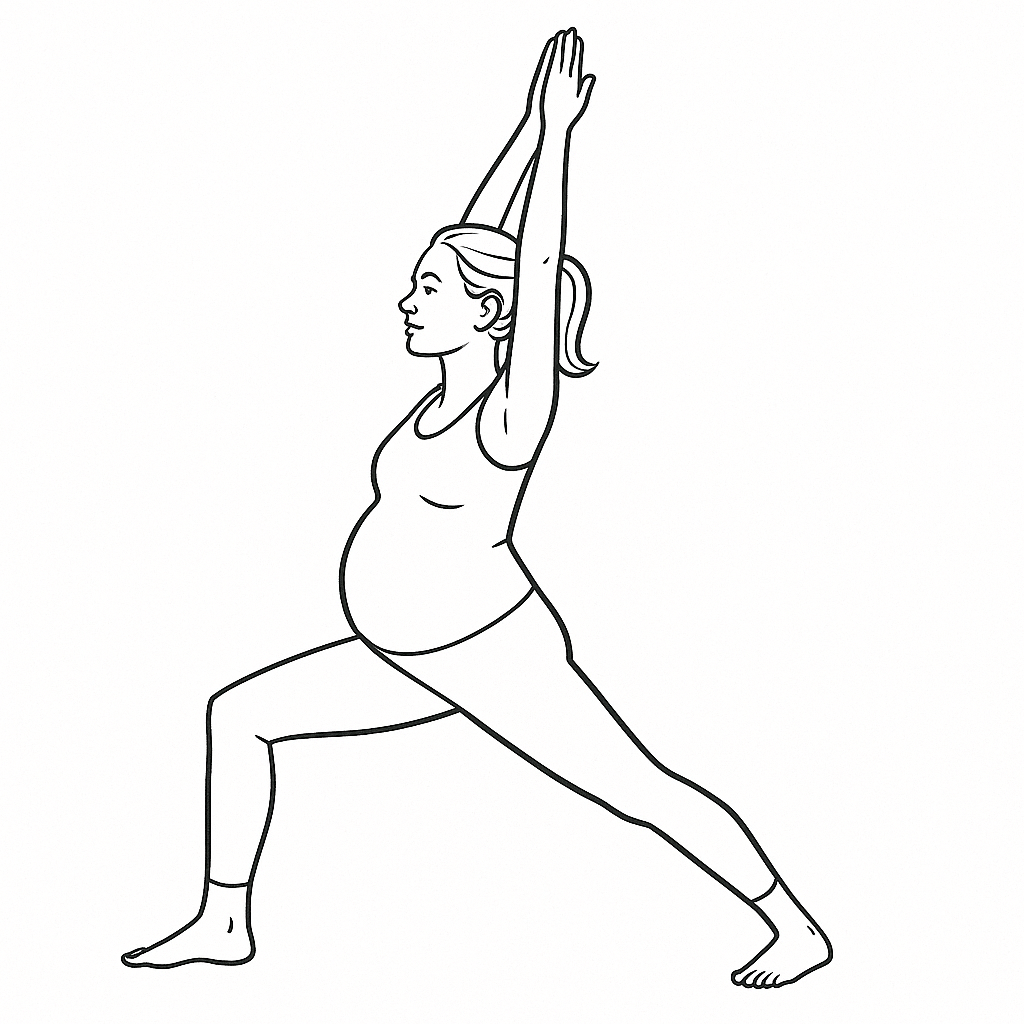
Prenatal yoga has become one of the go-to activities for expecting mothers, and for good reason. It helps with breathing and calming techniques (you’ll need that for labor)! It focuses on the pelvic floor (you’ll be extra-grateful for that post labor)! It helps build that all-important village (you’ll really want that post-baby)! But as many benefits as prenatal yoga offers, it’s not the only option when it comes to staying active while pregnant.
The key is finding activities that work with your changing body, not against it. Whether you're in your first trimester dealing with exhaustion or your third trimester wondering how you'll ever see your feet again, there are, effective ways to keep moving. Here are 10 ways to stay connected with your body from prenatal yoga to swimming to dancing and more. These activities can help you feel stronger, sleep better, and maybe even make labor just a little bit easier.
Why Prenatal Yoga Stands Out for Expecting Mothers
If you're going to pick just one activity during pregnancy, prenatal yoga might be your best bet. Unlike regular yoga classes, prenatal yoga is specifically designed for the pregnant body, with modifications for each trimester and a focus on poses that are both safe and beneficial.
The beauty of prenatal yoga lies in its multiple benefits. You're building strength in the muscles you'll need for labor—particularly your legs, hips, and core. You're practicing breathing techniques that will serve you well during contractions. And you're connecting with other pregnant women who understand exactly why you need to pee every fifteen minutes.
Prenatal yoga classes typically avoid deep twists, intense abdominal work, and any poses that involve lying flat on your back after the first trimester. Instead, you'll find gentle hip openers, modified planks, and plenty of child's pose variations. The pelvic floor work alone makes it worth showing up.
Many women report that the breathing exercises they learned in prenatal yoga were helpful during labor. Plus, there's something deeply calming about taking an hour to focus solely on your body and your baby, away from the endless stream of unsolicited advice and nursery decisions.
Swimming During Pregnancy
There's a reason so many pregnant women end up in the pool. When you're carrying an extra 25 to 35 pounds—most of it concentrated in your belly—the weightlessness of water feels like pure relief. Like prenatal yoga, swimming and water aerobics take the pressure off your joints and spine while still providing excellent cardiovascular exercise.
The cool water also helps with pregnancy's delightful tendency to make you feel overheated and swollen. Many women find that swimming is one of the few activities that doesn't leave them breathless or uncomfortable, even in the third trimester when everything else feels impossible.
You don't need to be doing laps like Michael Phelps, either. Gentle swimming, water walking, or prenatal water aerobics classes all provide similar benefits. The resistance of the water gives you a solid workout without the impact stress of land-based exercise. And if you're dealing with back pain or sciatica, the buoyancy can offer temporary relief that feels almost miraculous.
Walking to Stay Active While Pregnant
It sounds almost too simple to mention, but walking is one of the most effective prenatal activities you can do. No special equipment required, no class fees, and you can do it right up until labor starts. Many women even walk through early labor contractions to help things progress.
Regular walking improves circulation, which can help reduce swelling in your feet and ankles. It keeps your cardiovascular system strong without putting stress on your joints. And it's easily modifiable—if you're exhausted, walk slower or for less time. If you're feeling energetic, add some hills or increase your pace.
The mental health benefits of walking shouldn't be overlooked, either. Getting outside, moving your body, and having time to think can be incredibly grounding during a period when everything feels uncertain. Many pregnant women find their daily walk becomes a sacred time for processing emotions and bonding with their baby.
Strength Training During Pregnancy
Pregnancy is not the time to start a heavy lifting program if you're new to it, but moderate strength training can be incredibly beneficial for expecting mothers. Building strength in your arms, legs, and back prepares you for the physical demands of both labor and new motherhood. Spoiler alert: babies don't get lighter once they're born. Plus research suggests that resistance training during pregnancy can help with common complaints like back pain, which affects about 60 percent of pregnant women.
The American College of Obstetricians and Gynecologists (ACOG) recommends that women with uncomplicated pregnancies engage in both aerobic and strength-conditioning exercises before, during, and after pregnancy. The key is using lighter weights than you might pre-pregnancy and focusing on proper form and breathing. Avoid exercises that involve lying flat on your back after the first trimester, heavy overhead lifts, or anything that creates excessive pressure in your abdomen.
If you're new to weightlifting, consult with your OB beforehand. You may also want to consider a trainer who has worked with pregnant women to ensure you're focusing on proper form and modifications.
Pelvic Floor Exercises
Kegel exercises aren't glamorous, but they're essential. Your pelvic floor muscles support your bladder, bowel, and uterus—all of which are under considerable stress during pregnancy. Strengthening these muscles can help prevent incontinence, support your growing baby, and aid in postpartum recovery.
The tricky part about pelvic floor work is that many women do it incorrectly. It's not just about squeezing; it's about controlling and releasing. Consider working with a pelvic floor physical therapist who can ensure you're doing the exercises properly and assess whether you need any specific interventions.
Prenatal Dance and Barre
For women who find traditional exercise boring, prenatal dance and barre classes offer a fun alternative. These classes combine the strengthening and stretching benefits you'd get from prenatal yoga with cardiovascular work, music, and movement that actually feels enjoyable.
Barre classes adapted for pregnancy focus on the small, controlled movements that build strength without strain. Dance classes let you move in ways that feel natural and expressive. Both options help you maintain fitness while actually having fun—a combination that's harder to find than you might think.
Stationary Cycling while Pregnant
Stationary indoor cycling gives you a cardiovascular workout without the fall risk of regular biking. Here's the important part, though, it's generally not recommended to start cycling for the first time during pregnancy. If you weren't a cyclist before getting pregnant, this probably isn't the time to begin. Prenatal yoga, walking or swimming might be safer options to start with.
But if you were a cyclist and your pregnancy is uncomplicated, a stationary bike can offer an adjustable workout to match your mood—you can adjust the resistance and speed to match how you're feeling and many women also find that the seated position makes it easier to maintain good posture and avoid putting excess pressure on your pelvic floor. Just make sure the bike is adjusted properly for your changing body—raising the handle bars can help you sit more upright and reduce strain on your lower back. And remember, don't push yourself to the point of breathlessness. If you can't hold a conversation while pedaling, dial it back.
Like with weight training though, you’ll want to consult with your OB to make sure cycling will be safe for your particular circumstance.
What to Avoid and When It Comes to Exercising While Pregnant
Of course, you’ll want to consult with your doctor on the specifics of your pregnancy and which exercise will be most appropriate. That said, here's what the American College of Obstetricians and Gynecologists (ACOG) and healthcare providers generally recommend:
Exercises to Avoid During Pregnancy:
- Contact sports like hockey, boxing, soccer, and basketball
- Activities with high fall risk such as downhill skiing, gymnastics, horseback riding, off-road cycling, and surfing
- Scuba diving (the fetus is at increased risk for decompression sickness)
- Hot yoga or hot Pilates (risk of overheating, especially in the first trimester)
Warning Signs to Stop Exercise and Immediately and Call Your Doctor:
ACOG advises stopping exercise and contacting your healthcare provider if you experience any of these symptoms:
- Vaginal bleeding
- Dizziness or feeling faint
- Chest pain
- Regular painful contractions
- Shortness of breath before starting exercise
- Fluid leaking from the vagina
- Headache or muscle weakness
- Calf pain or swelling
General Safety Guidelines for Exercising While Pregnant:
- Stay well hydrated before, during, and after exercise
- Use the "talk test" - if you're not able to talk clearly while exercising, you'll want to reduce the intensity
- Avoid becoming overheated, especially in the first trimester
- Avoid standing motionless for long periods or lying on your back
Overall, listen to your body with a level of attention you've probably never needed before. Remember that "no pain, no gain" does not apply when you're growing a human. When in doubt, call your doctor—that's what they're there for.
The Bottom Line on Prenatal Exercise
The best prenatal activity is the one that’s safe and that you'll actually do. Whether that's prenatal yoga, daily walks around your neighborhood, or swimming laps at the local pool, consistent movement will help you feel better physically and mentally throughout your pregnancy.
.jpg)


.png)